Questions Before a Kitchen Remodel Starts in Carlsbad
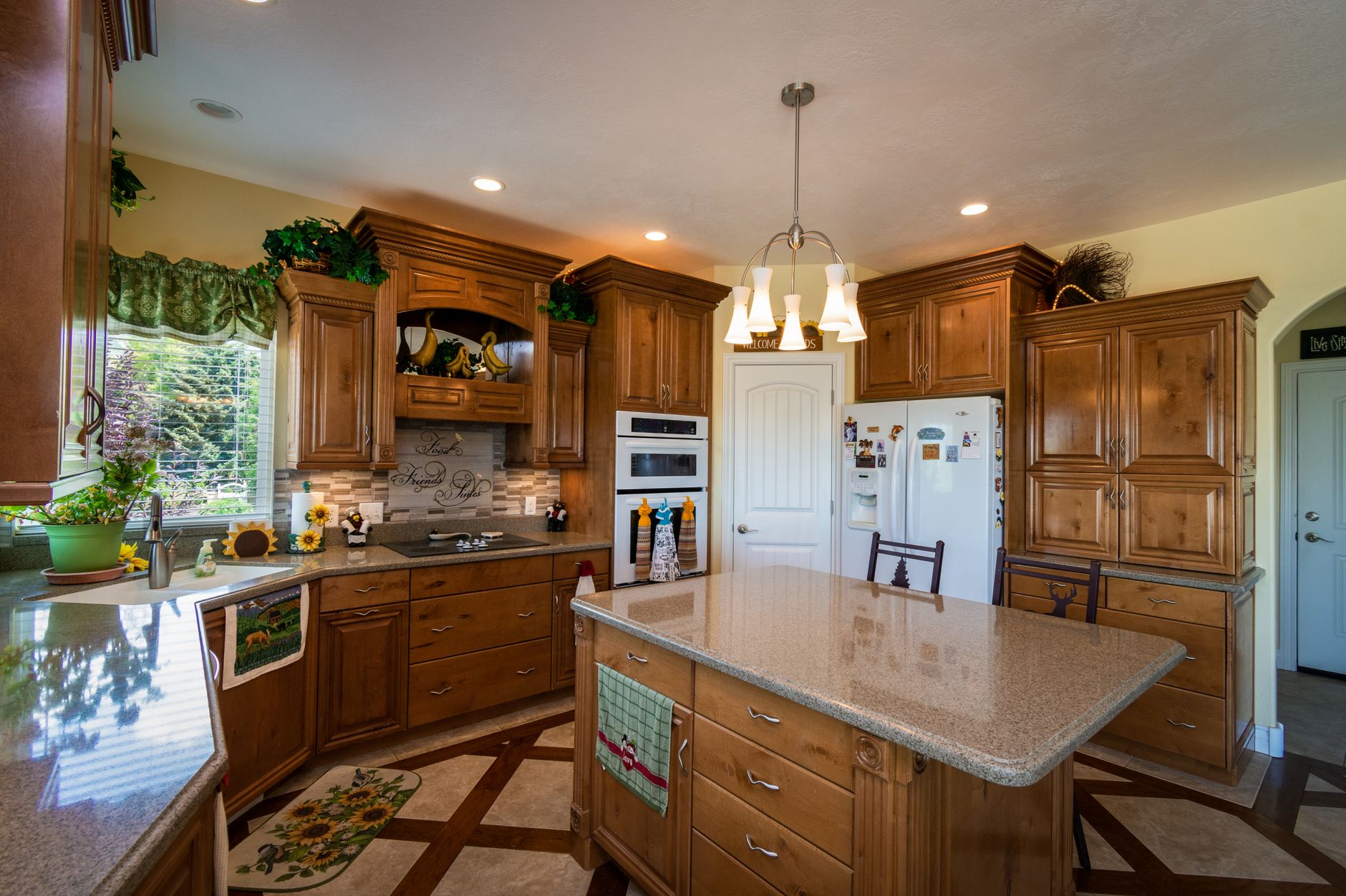
The weeks before a kitchen remodel starts are quiet, and the questions that pile up in them are practical ones. Where does the family eat? How long is the water off? What happens if the inspector comes on a day nobody is home? The answers below come from how remodel work is normally sequenced in a Carlsbad home, and they apply whether the house sits near Buena Vista Lagoon or farther east.
Do I need a permit for a kitchen remodel?
Swapping cabinets and counters in the same footprint often needs no permit. Moving a sink, adding a circuit, relocating a range, opening a wall or changing a gas line does. In Carlsbad the building department reviews the plans, issues the permit and sends an inspector at set stages. The contractor normally pulls the permit, but a homeowner should still see it posted at the house and know which inspections are scheduled.
Skipping a permit tends to surface later, when a buyer's inspector finds an unpermitted circuit or a moved gas line. Fixing it then means opening finished walls.
How long does a kitchen remodel take?
The work on site is usually shorter than the wait for materials. Demolition takes a few days. Rough-in and inspection take about a week if nothing is found behind the walls. Cabinets are ordered early and may take several weeks to arrive. Stone and quartz counters are templated after the cabinets are set, then fabricated, which adds another week or more. Tile, flooring, painting and fixtures finish the job.
A realistic schedule is measured in weeks, not days, and the single largest swing factor is the lead time on cabinets and counters. Ordering them before demolition begins keeps the kitchen from sitting empty and unfinished.
Where does the family cook and eat during the work?
Set up a temporary kitchen before demolition. A card table in the dining room or garage works as a counter. A microwave, a toaster oven, a hot plate or an electric kettle and a coffee maker cover most meals. Move the refrigerator, or a spare one, out of the work area. A utility sink or a bathroom sink handles dishes, and paper plates reduce the volume of washing.
Plan for the stretch when the sink is disconnected. Households in the area around Carlsbad State Beach often lean on grilling outdoors during that stretch, which suits the mild weather for much of the year.
How long will the water, gas and power be off?
Shutoffs happen in short windows. Water goes off when the sink supply lines are cut and capped, and again when the new fixtures connect. Gas goes off when a range line is moved and stays off until it has passed a pressure test. Power to the kitchen circuits is off during rough-in and comes back at the end of each day for the rest of the house. Ask the contractor to describe each shutoff in advance and to restore service by evening whenever possible.
What about dust, noise and the rest of the house?
Demolition makes the most dust, and it spreads through return air vents and under doorways. Plastic barriers with a zipper door, tape on the vents and a fan blowing out of a window keep most of it in the work area. Floors along the path from the front door to the kitchen get covered with hardboard or heavy paper. Expect noise from morning to mid-afternoon on work days, and tell the neighbors when the loudest days will be.
Is it normal to find surprises behind the walls?
Yes, especially in older houses. Common finds include wiring spliced outside a box, a drain pipe with the wrong slope, water damage under the sink base, a vent pipe that ends in the attic and a soffit that hides an old duct. Homes in La Costa built in the seventies and eighties often hold these kinds of finds, since the code and the habits of the time differed from what is expected now.
The right response is to photograph the problem, stop work in that area and agree on the repair before continuing. A contingency in the schedule helps, and so does a contractor who explains what was found rather than just describing it.
How are changes handled once the job has started?
A change in the middle of the job ripples. Moving an outlet after the drywall is hung means cutting and patching. Switching the cabinet door style after the order is placed means a new order and a new wait. Anything that changes the plan should be written down, dated and signed by both sides, with the effect on the schedule noted.
Walk the room with the plan before the drywall goes up and mark every outlet, switch, light and appliance location. That walk catches most of the changes that would otherwise happen later.
How do cabinets, counters and backsplash fit together?
The order matters because each piece depends on the one before it. Cabinets are leveled and fastened first. Counters are templated from the installed cabinets, so a stone slab is cut to the real wall and not the drawing. The backsplash goes on after the counters, so the tile meets the stone with a clean joint. Painting the walls, installing the range hood and connecting the plumbing fixtures finish the room.
A common mistake is to choose the backsplash before the counter. The counter has the larger pattern and the stronger color, and the tile should be picked to sit beside it.
Which materials suit a coastal home?
Moisture from Batiquitos Lagoon and Agua Hedionda Lagoon, along with the salt in the air, wears on hardware and finishes. Stainless steel and brass hardware, sealed cabinet edges and a waterproof tray under the sink hold up better than cheaper alternatives. Quartz counters need no sealing, while natural stone such as granite or marble is sealed on a schedule that the fabricator specifies. Porcelain tile on the floor handles moisture and spills well, and it can be laid over a slab with an uncoupling membrane that handles small cracks.
What should be checked at the end?
Run every appliance. Turn on every light and every outlet. Open every door and drawer and look at the gaps. Fill the sink and watch the drain and the cabinet below it for a leak. Look at the counter edges and the caulk lines in daylight and again at night under artificial light. Check that the range hood moves air by holding a sheet of paper near the filter. Write each flaw on a punch list, and agree on dates to fix them.
Keep the manuals, warranty cards, paint colors and the names of the finishes together in one folder. The folder is useful years later when a hinge needs replacing or a touch-up color has to be matched.
Closing thought
Most remodel trouble comes from skipped steps and unanswered questions, not from the work itself. Ask early, write things down and walk the room before each stage closes.